

What Is the IEC 61914 Test?
In modern electrical infrastructure, power cable safety is a critical concern. High-voltage and low-voltage power cables installed in data centers, substations, renewable energy projects, and industrial facilities must be securely restrained to prevent damage during normal operation and electrical faults.
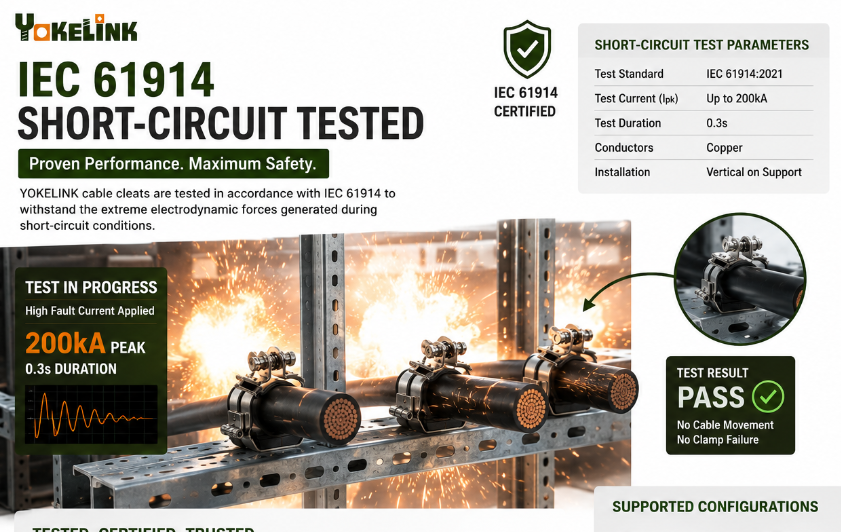
The IEC 61914 test is an internationally recognized testing procedure used to evaluate the mechanical performance and safety of cable cleats used in electrical installations.
Unlike ordinary cable clamps, IEC 61914 tested cable cleats are designed to withstand extreme mechanical forces generated during short-circuit conditions, ensuring cables remain securely fixed and protected.
For critical power applications, selecting IEC 61914 compliant stainless steel cable cleats provides engineers and contractors with confidence in system reliability and safety.
What Is IEC 61914?
IEC 61914: Cable cleats for electrical installations is an international standard developed by the International Electrotechnical Commission (IEC).
The standard specifies requirements for cable cleats used to secure cables and includes testing requirements related to:
- Mechanical strength
- Cable retention performance
- Impact resistance
- Fire behavior
- Electrical installation conditions
- Short-circuit withstand capability
IEC 61914 applies to cable cleats installed in systems where cables require mechanical support and protection.

Why Is IEC 61914 Testing Important?
During a short circuit, a sudden increase in electrical current creates powerful electromagnetic forces between conductors.
These forces can cause cables to:
- Move violently
- Separate from supports
- Hit surrounding equipment
- Damage insulation layers
- Create additional safety risks
A properly tested cable cleat must withstand these forces and maintain cable positioning.
The purpose of the IEC 61914 test is to verify that cable cleats can:
✔ Secure cables during fault conditions
✔ Resist mechanical stress
✔ Prevent cable displacement
✔ Maintain system integrity
✔ Improve electrical safety
How Is the IEC 61914 Short Circuit Test Performed?
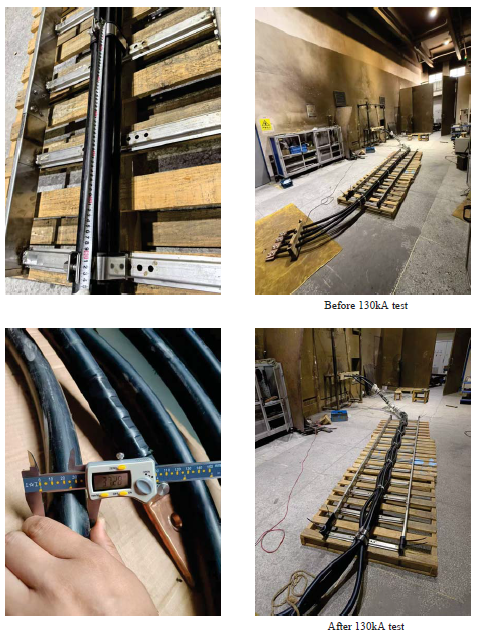
The IEC 61914 short circuit test evaluates the ability of cable cleats to withstand forces generated by high fault currents.
A typical testing process includes:
1. Cable Installation
The cable cleats are installed according to manufacturer specifications on a representative support system.
The test setup considers:
- Cable arrangement
- Cable diameter
- Cleat spacing
- Installation method
- Fixing torque
2. Short Circuit Current Application
A controlled high-current pulse is applied through the cable system.
During this process:
- Electromagnetic forces increase rapidly
- Cables attempt to move apart
- Cable cleats must restrain the movement
3. Mechanical Performance Evaluation
After the short-circuit event, engineers evaluate:
- Cable cleat deformation
- Cable displacement
- Structural damage
- Fixing performance
- Overall system integrity
A successful test demonstrates that the cable cleat can safely withstand the mechanical forces generated during a fault.
What Does an IEC 61914 Short Circuit Test Prove?
Passing an IEC 61914 short-circuit test demonstrates that the cable cleat has sufficient mechanical strength for demanding electrical applications. The test confirms:
Strong Cable Restraint Capability
The cable cleat can maintain cable positioning under extreme mechanical loads.
Reliable Mechanical Performance
The product can withstand high electromagnetic forces without failure.
Improved System Safety
Proper cable restraint reduces the risk of cable damage and equipment failure.
Suitability for Critical Infrastructure
IEC 61914 tested cable cleats are suitable for projects where reliability is essential.
IEC 61914 Cable Cleat Testing Parameters
The performance of cable cleats depends on multiple factors, including:
| Parameter | Importance |
| Cable Arrangement | Determines electromagnetic forces |
| Cable Diameter | Affects cleat holding performance |
| Installation Spacing | Influences mechanical load distribution |
| Material Strength | Determines durability |
| Fixing Method | Affects restraint capability |
| Short Circuit Current Level | Determines test severity |
Engineers must select cable cleats based on actual project requirements.
Why 316L Stainless Steel Cable Cleats Are Ideal for IEC 61914 Applications
Material selection directly affects cable cleat performance. 316L stainless steel cable cleats are widely used in critical infrastructure because they provide:
Excellent Corrosion Resistance
Suitable for:
- Coastal environments
- Offshore platforms
- Tunnels
- Humid areas
- Chemical facilities
High Mechanical Strength
316L stainless steel provides:
- Strong load resistance
- Long-term durability
- Reliable cable restraint
Long Service Life
Compared with standard materials, 316L stainless steel offers reduced maintenance requirements and improved lifecycle performance.
Why Choose YOKETOOL IEC 61914 Tested Cable Cleats?
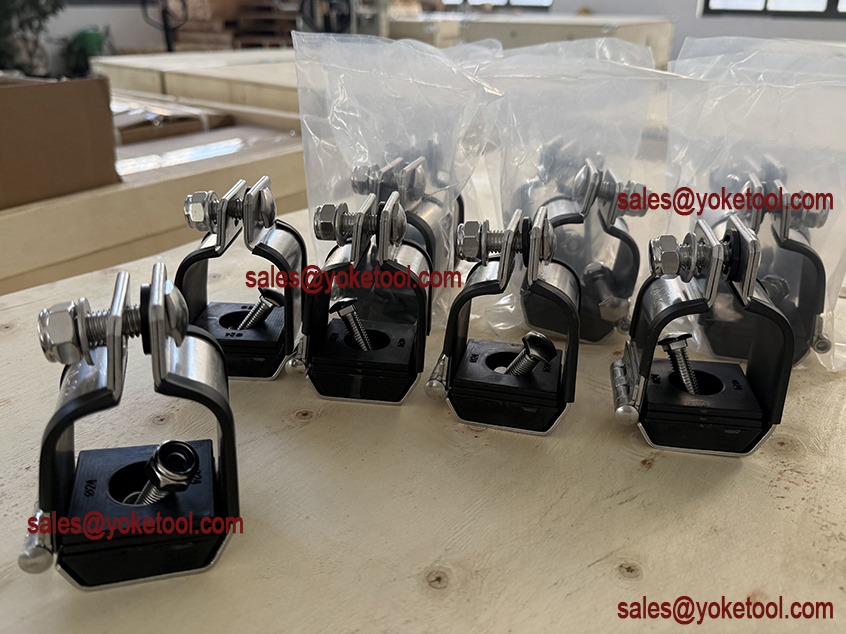
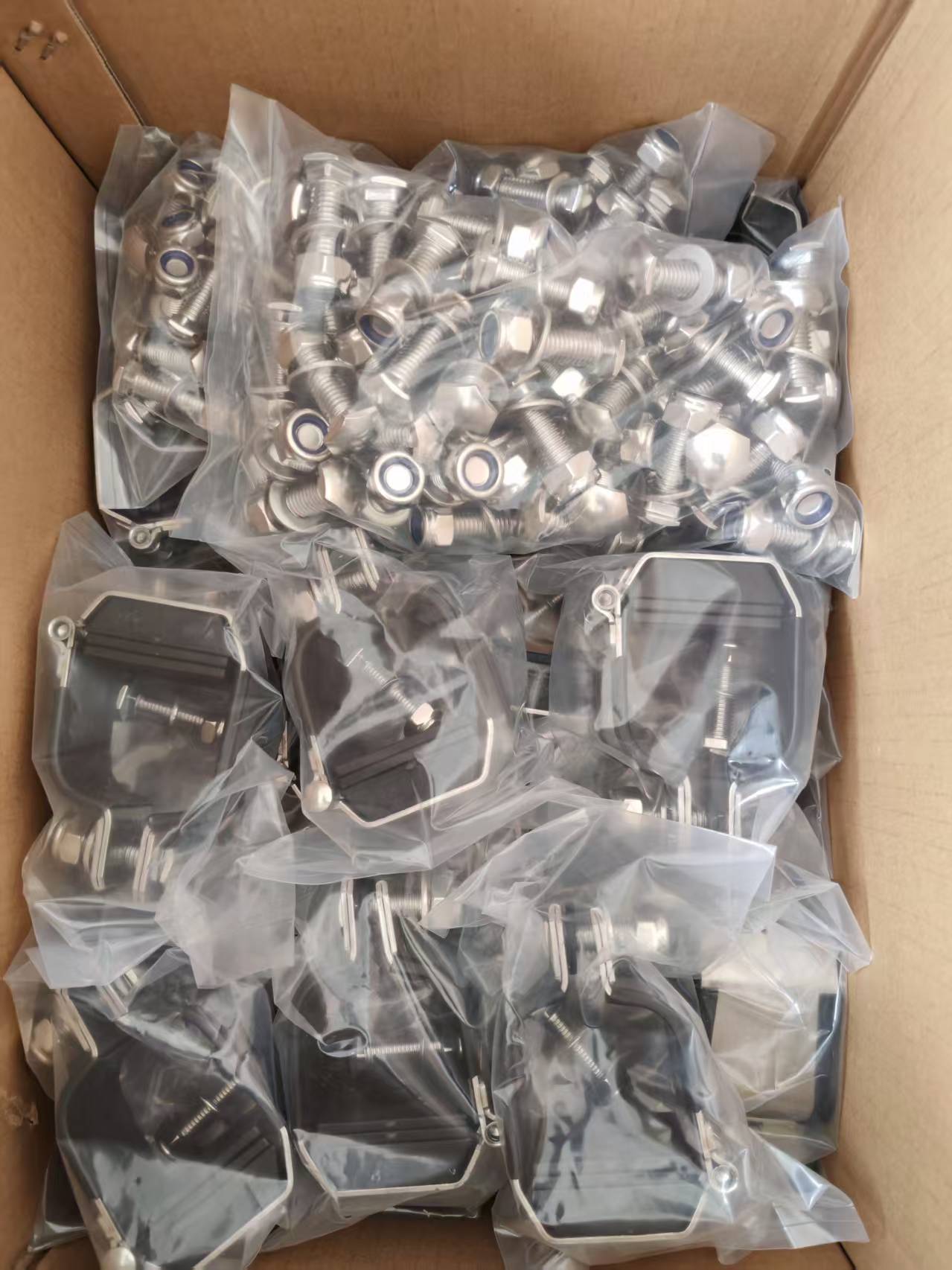
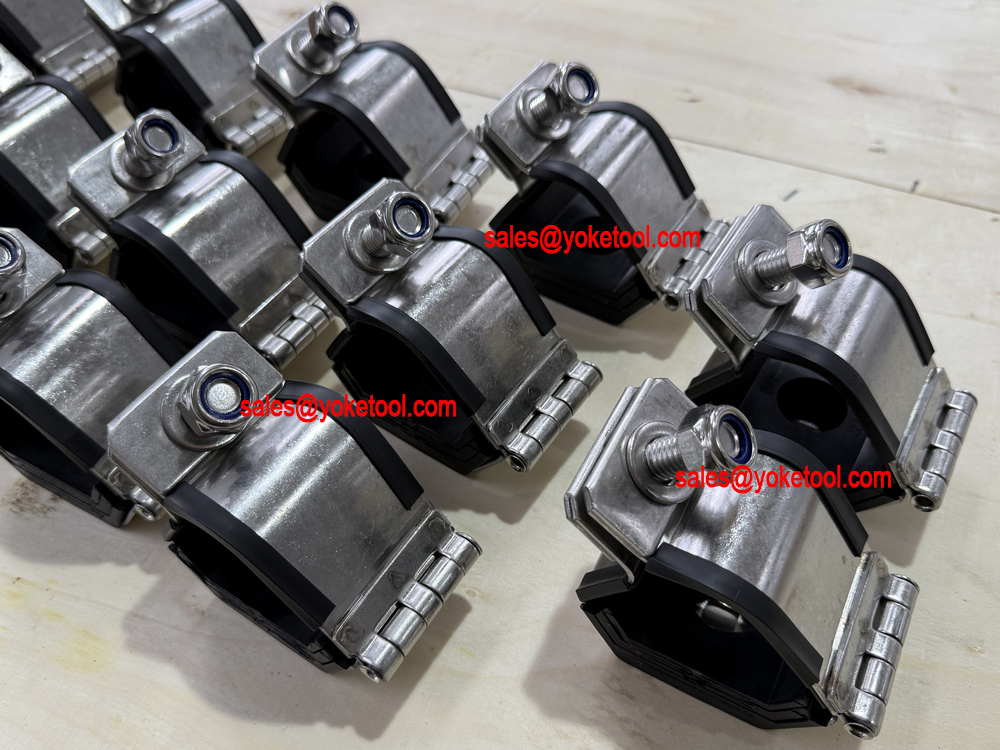
YOKETOOL manufactures 316L stainless steel cable cleats designed according to IEC 61914 requirements.
Our cable cleats feature:
✔ IEC 61914 compliant design
✔ Short-circuit tested performance
✔ 316L stainless steel construction
✔ Single, Trefoil, and Quad configurations
✔ High corrosion resistance
✔ Reliable cable restraint capability
✔ Suitable for critical infrastructure projects worldwide
YOKETOOL cable cleats are designed to provide safe and reliable cable management solutions for:
- Data centers
- Substations
- Renewable energy
- Railway systems
- Industrial power installations

FAQ:
What is the purpose of IEC 61914 testing?
IEC 61914 testing verifies that cable cleats can safely restrain cables and withstand mechanical forces generated during electrical faults.
Are IEC 61914 cable cleats required for power projects?
For many critical infrastructure projects, IEC 61914 compliance is specified to ensure reliable cable restraint performance.
What is tested during IEC 61914 short circuit testing?
The test evaluates cable cleat mechanical strength, cable retention capability, and resistance to fault-generated forces.
Why are stainless steel cable cleats commonly used?
316L stainless steel provides excellent corrosion resistance, mechanical strength, and long-term reliability.


